Ellansé and Juvelook are among the most frequently requested biostimulator treatments in Seoul’s Cheongdam dermatology practices.
Both stimulate collagen regeneration to restore elasticity and volume, and both carry an overall low side effect profile.
The questions patients ask most consistently are about the complications they’ve read about: nodules, tissue lumping, and swelling.
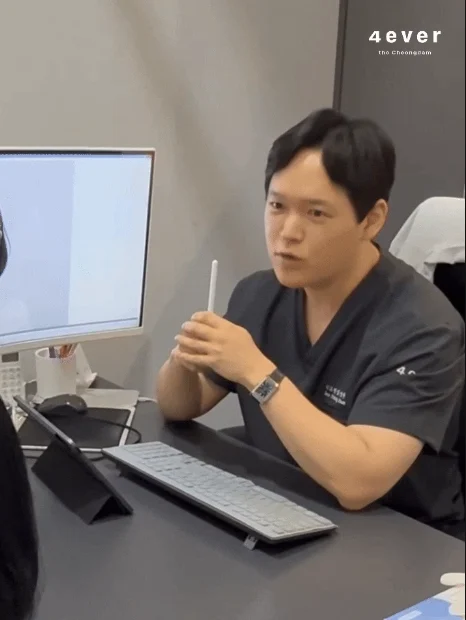
At 4ever Clinic, Dr. Younghan Seo explains what actually causes these complications and why the clinical protocol matters more than the product itself.
Key Takeaways
Both Ellansé and Juvelook are biostimulators, not fillers.
Their mechanism is collagen induction rather than direct volumization, which distinguishes their behavior and risk profile from HA-based products.
Nodules, lumping, and swelling are almost always technical complications caused by incorrect injection depth, excessive volume in a single site, or too-rapid delivery rather than product-related adverse events.
Ellansé cannot be dissolved after injection.
This makes initial design decisions — placement depth, volume per site, total dosage — the primary determinants of long-term outcome.
The Ellansé Heartline Code protocol uses dramatically reduced volumes per site (0.3–0.7cc for Contouring Code, 0.1–0.15cc for Lifting Code), which significantly reduces complication risk while maintaining contour and lifting results.
Juvelook’s expanded product line — including Juvelook i and Juvelook G — allows precise matching of particle concentration to treatment area, from the delicate periorbital zone to areas requiring volumetric reinforcement.
Ellansé: Structural Lifting Through Collagen Induction
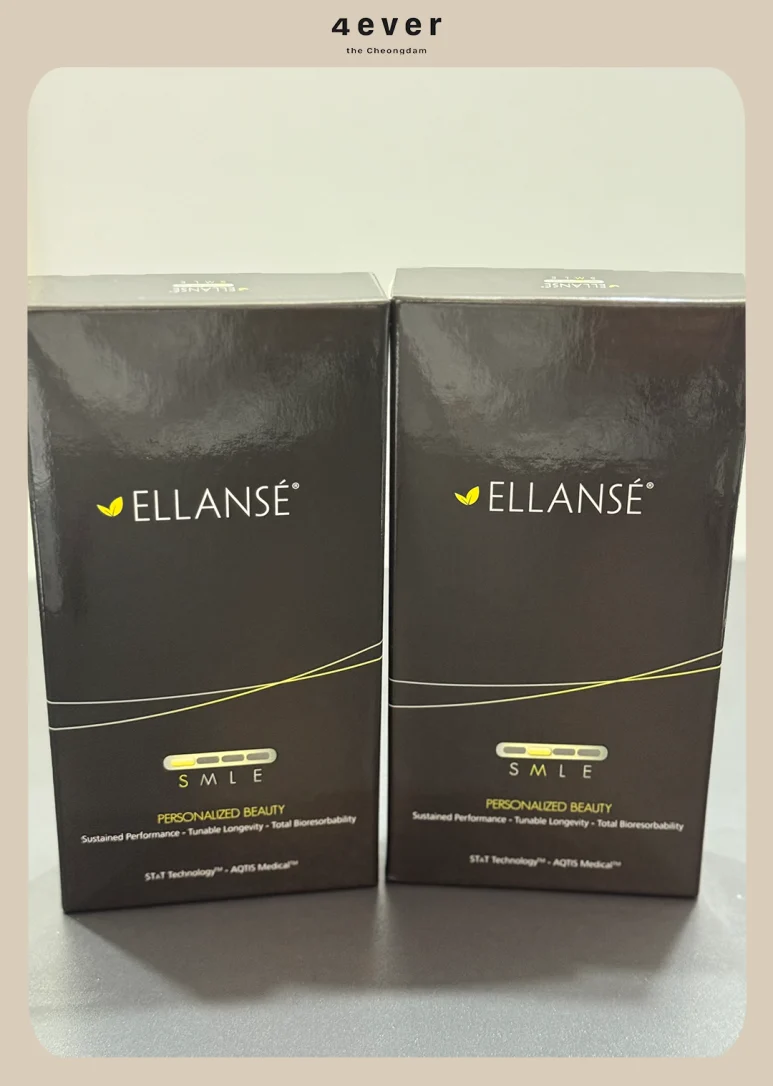
Ellansé is a PCL (polycaprolactone) biostimulator that operates through two simultaneous mechanisms: the carrier gel provides immediate structural support at the injection site, while PCL microspheres stimulate the surrounding tissue to generate new collagen progressively over time.
The defining characteristic that patients and clinicians both need to understand is that Ellansé cannot be dissolved.
Unlike HA fillers, which can be reversed with hyaluronidase, Ellansé remains in place until it naturally resorbs.
This is both its advantage and its constraint.
The longevity of collagen generation in clinical experience often extends to two to three years.
But the same property means that any error in placement, volume, or design cannot be corrected after the fact.
Dr. Seo’s guiding principle with Ellansé is consistent: inject only what is necessary, into the correct anatomical layer, at a controlled pace.
This is not simply a technical preference — it is the only approach consistent with the irreversible nature of the material.
Ellansé Heartline Code Protocol
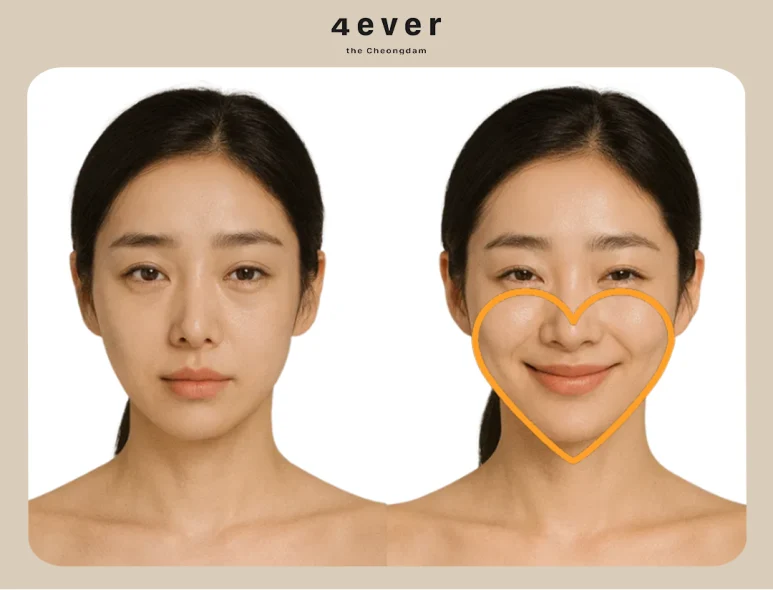
The most significant development in Ellansé application at 4ever Clinic is the implementation of the Heartline Code protocol, which uses substantially smaller volumes than earlier injection paradigms:
Contouring Code places 0.3–0.7cc in the region of the SMAS layer, refining the facial contour flow without adding bulk.
Lifting Code reinforces the ligament layer with 0.1–0.15cc per site, stabilizing the structural support architecture with minimal material.
These volumes represent a fundamental departure from the higher-volume approaches that were standard in earlier Ellansé practice.
The reduction in per-site volume directly reduces the mechanical pressure in the tissue that contributes to nodule formation and lumping, while the lifting and contouring effect is maintained and in many cases enhanced through more precise anatomical placement.
Juvelook: Dermal Collagen Remodeling at Multiple Depths
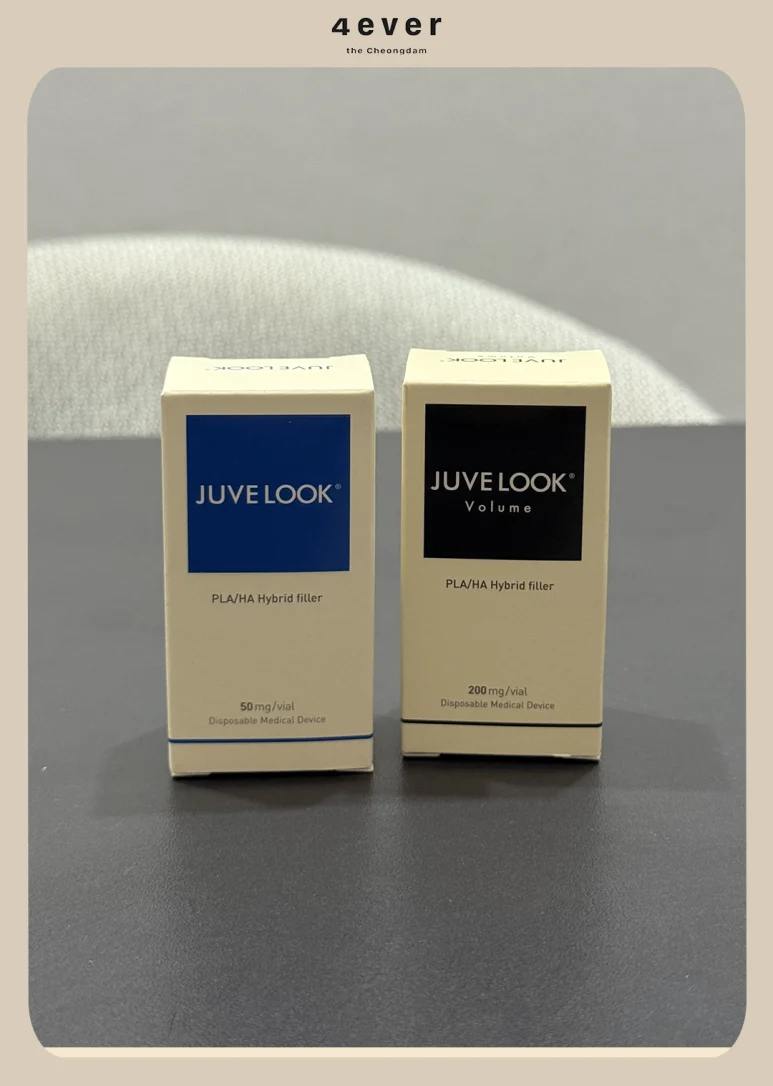
Juvelook is a PDLLA (poly-D,L-lactic acid) biostimulator formulated with microparticles designed to stimulate collagen production within the dermis.
The smaller, more uniform particle structure compared to older PDLLA products allows for more precise depth targeting and a collagen response that is distributed throughout the dermis rather than concentrated at specific injection points.
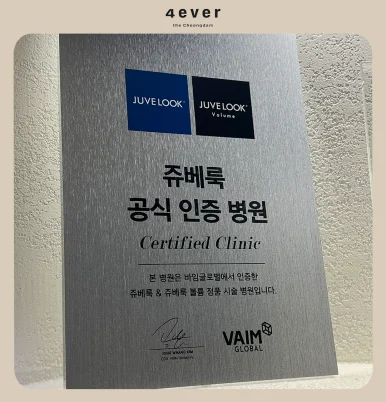
The current Juvelook product family includes distinct formulations matched to different clinical needs:
Juvelook Skin combines micro-PDLLA particles with HA, targeting skin texture, pore refinement, and superficial fine line improvement.
It is particularly suited to overall skin quality enhancement without volumetric goals.
Juvelook Volume uses a higher particle concentration to produce a more pronounced volumetric and lifting collagen response, appropriate for areas where structural restoration is the priority.
Juvelook i is formulated for the periorbital area, where skin is thinnest and the margin for error in volume and depth is smallest.
Juvelook G addresses areas requiring more substantial volume reinforcement, extending the treatment capability of the Juvelook platform into indications previously handled by separate products.
Dr. Seo’s Juvelook protocol is developed from direct clinical experience across a large case volume rather than from manufacturer defaults: dilution ratios, injection depth, and session spacing are individually calibrated based on skin thickness, tissue reactivity, and vascular distribution in the specific patient rather than applied as a fixed protocol.
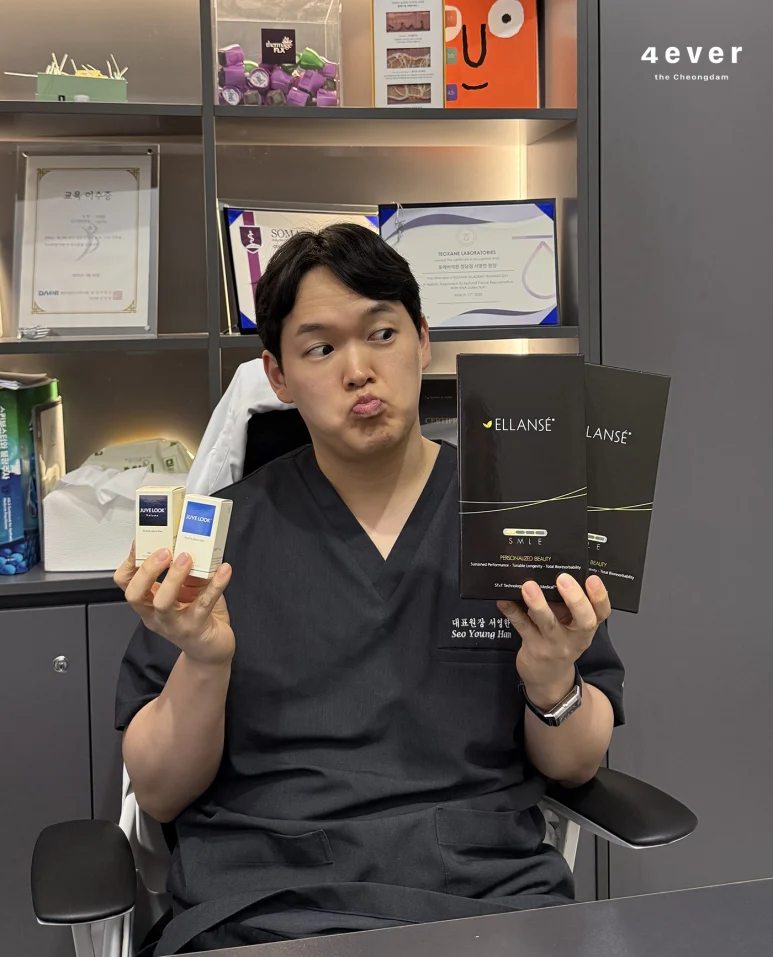
Why Complications Occur — and Why They Are Preventable
Both Ellansé and Juvelook have genuinely low complication rates when used correctly.
Vascular occlusion risk is lower than with HA fillers due to smaller injection volumes per site. But the framing of “low risk” can obscure what actually determines whether complications occur.
Nodules form when material is concentrated in a single location — either from bolus injection technique or from placement that is too superficial, where the overlying skin cannot distribute the mechanical pressure.
Tissue lumping results from a combination of incorrect depth and excessive local volume, creating an irregular surface that is visible or palpable.
Prolonged swelling beyond the expected post-procedure period typically indicates tissue pressure elevation from too-rapid injection or excessive volume in a compressed anatomical space.
The common factor in all three is technical: depth, volume per site, and delivery speed.
None of these are product failures.
They are decisions made by the clinician at the time of injection.
The anatomy of the face is not uniform — vascular architecture, skin thickness, and muscular movement patterns all vary between individuals and between facial zones in the same individual.
Applying a standardized injection protocol without accounting for these variations is the primary source of avoidable complications.
Why Combining Biostimulators With Energy-Based Devices Produces Better Results
Ellansé and Juvelook address internal structure and collagen density.
What they do not directly address is the skin’s surface elasticity and the deeper SMAS-layer structural tension that determines how the face holds its position over time.
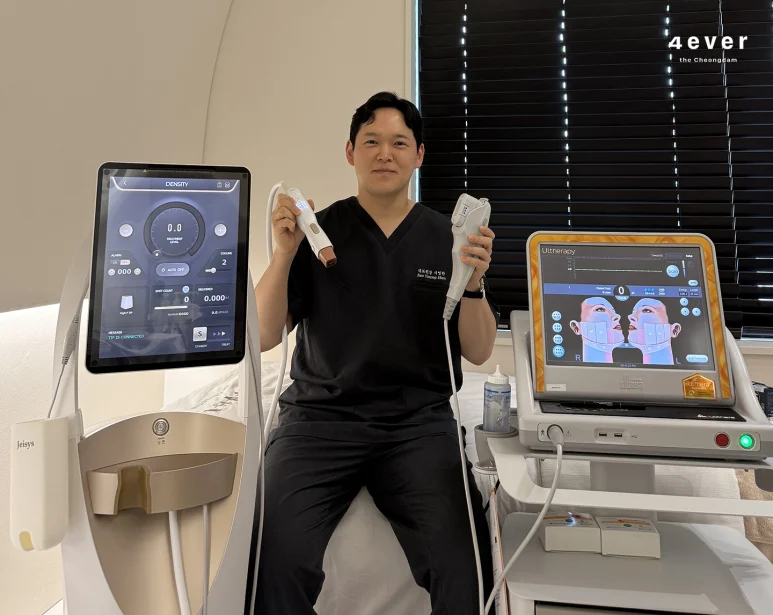
Energy-based devices — Ulthera, Thermage, Density — establish the directional tension and surface elasticity that allow the biostimulator result to sit correctly.
Used in the correct sequence, EBD treatment establishes the structural framework first, after which Ellansé or Juvelook consolidates and maintains the volumetric dimension of that result.
This combination produces a more coherent and stable outcome than either approach alone: the contour doesn’t simply look lifted, it behaves as structurally supported tissue because multiple layers are addressed at their relevant depths.
Frequently Asked Questions
Q. If I develop a nodule after Ellansé, what can be done?
A. Because Ellansé cannot be dissolved, management options are more limited than with HA fillers. Small nodules from superficial placement often improve over time as the PCL resorbs and the tissue response normalizes. Larger or more symptomatic nodules may require intervention. This is why the prevention imperative is so much higher with Ellansé than with dissolvable products — the question of what to do afterward is much harder than ensuring correct technique from the beginning.
Q. How is Juvelook different from older PDLLA products like Sculptra?
A. The primary difference is particle size and distribution uniformity. Older PDLLA products used larger, less uniform particles that required more aggressive reconstitution and produced a less evenly distributed collagen response. Juvelook’s microparticle formulation allows more controlled depth targeting and a smoother, more diffuse collagen induction, which is why texture improvement is a more achievable goal with Juvelook than with earlier PDLLA products.
Q. How many sessions of Juvelook are needed?
A. This depends on the treatment goal and baseline skin condition. For skin quality improvement with Juvelook Skin, a course of two to three sessions spaced four to six weeks apart is typical, followed by maintenance at six to twelve month intervals. For volumetric goals with Juvelook Volume, the session plan is calibrated based on the degree of volume deficit and the patient’s collagen response after the first session.
Q. Can Ellansé and Juvelook be used in the same session?
A. Yes, in appropriate cases. The two products address different tissue depths and produce different types of collagen response. Ellansé reinforces the deep structural layer and produces longer-duration volumetric support; Juvelook targets the dermis for texture, elasticity, and more superficial collagen density. When both layers need attention, same-session combination is clinically logical and commonly performed at 4ever Clinic.
Q. How do I evaluate whether a clinic is experienced enough with these products?
A. The most informative questions to ask are about protocol specifics: what injection depth is used for a given area, how volume per site is determined, and how the plan changes based on individual anatomy. A clinician with genuine experience will have specific, calibrated answers to these questions rather than generic responses. For Ellansé specifically, ask whether the clinic uses the Heartline Code protocol and what the typical volume per site is — the answer reveals whether the approach reflects current evidence-based practice or earlier higher-volume paradigms.
Ready to discuss a treatment plan tailored to your skin?
4ever Clinic offers one-to-one consultations with Dr. Younghan Seo.
Book Your Consultation

Ellansé and Juvelook are among the most frequently requested biostimulator treatments in Seoul’s Cheongdam dermatology practices.
Both stimulate collagen regeneration to restore elasticity and volume, and both carry an overall low side effect profile.
The questions patients ask most consistently are about the complications they’ve read about: nodules, tissue lumping, and swelling.
At 4ever Clinic, Dr. Younghan Seo explains what actually causes these complications and why the clinical protocol matters more than the product itself.
Key Takeaways
Both Ellansé and Juvelook are biostimulators, not fillers.
Their mechanism is collagen induction rather than direct volumization, which distinguishes their behavior and risk profile from HA-based products.
Nodules, lumping, and swelling are almost always technical complications caused by incorrect injection depth, excessive volume in a single site, or too-rapid delivery rather than product-related adverse events.
Ellansé cannot be dissolved after injection.
This makes initial design decisions — placement depth, volume per site, total dosage — the primary determinants of long-term outcome.
The Ellansé Heartline Code protocol uses dramatically reduced volumes per site (0.3–0.7cc for Contouring Code, 0.1–0.15cc for Lifting Code), which significantly reduces complication risk while maintaining contour and lifting results.
Juvelook’s expanded product line — including Juvelook i and Juvelook G — allows precise matching of particle concentration to treatment area, from the delicate periorbital zone to areas requiring volumetric reinforcement.
Ellansé: Structural Lifting Through Collagen Induction
Ellansé is a PCL (polycaprolactone) biostimulator that operates through two simultaneous mechanisms: the carrier gel provides immediate structural support at the injection site, while PCL microspheres stimulate the surrounding tissue to generate new collagen progressively over time.
The defining characteristic that patients and clinicians both need to understand is that Ellansé cannot be dissolved.
Unlike HA fillers, which can be reversed with hyaluronidase, Ellansé remains in place until it naturally resorbs.
This is both its advantage and its constraint.
The longevity of collagen generation in clinical experience often extends to two to three years.
But the same property means that any error in placement, volume, or design cannot be corrected after the fact.
Dr. Seo’s guiding principle with Ellansé is consistent: inject only what is necessary, into the correct anatomical layer, at a controlled pace.
This is not simply a technical preference — it is the only approach consistent with the irreversible nature of the material.
Ellansé Heartline Code Protocol
The most significant development in Ellansé application at 4ever Clinic is the implementation of the Heartline Code protocol, which uses substantially smaller volumes than earlier injection paradigms:
Contouring Code places 0.3–0.7cc in the region of the SMAS layer, refining the facial contour flow without adding bulk.
Lifting Code reinforces the ligament layer with 0.1–0.15cc per site, stabilizing the structural support architecture with minimal material.
These volumes represent a fundamental departure from the higher-volume approaches that were standard in earlier Ellansé practice.
The reduction in per-site volume directly reduces the mechanical pressure in the tissue that contributes to nodule formation and lumping, while the lifting and contouring effect is maintained and in many cases enhanced through more precise anatomical placement.
Juvelook: Dermal Collagen Remodeling at Multiple Depths
Juvelook is a PDLLA (poly-D,L-lactic acid) biostimulator formulated with microparticles designed to stimulate collagen production within the dermis.
The smaller, more uniform particle structure compared to older PDLLA products allows for more precise depth targeting and a collagen response that is distributed throughout the dermis rather than concentrated at specific injection points.
The current Juvelook product family includes distinct formulations matched to different clinical needs:
Juvelook Skin combines micro-PDLLA particles with HA, targeting skin texture, pore refinement, and superficial fine line improvement.
It is particularly suited to overall skin quality enhancement without volumetric goals.
Juvelook Volume uses a higher particle concentration to produce a more pronounced volumetric and lifting collagen response, appropriate for areas where structural restoration is the priority.
Juvelook i is formulated for the periorbital area, where skin is thinnest and the margin for error in volume and depth is smallest.
Juvelook G addresses areas requiring more substantial volume reinforcement, extending the treatment capability of the Juvelook platform into indications previously handled by separate products.
Dr. Seo’s Juvelook protocol is developed from direct clinical experience across a large case volume rather than from manufacturer defaults: dilution ratios, injection depth, and session spacing are individually calibrated based on skin thickness, tissue reactivity, and vascular distribution in the specific patient rather than applied as a fixed protocol.
Why Complications Occur — and Why They Are Preventable
Both Ellansé and Juvelook have genuinely low complication rates when used correctly.
Vascular occlusion risk is lower than with HA fillers due to smaller injection volumes per site. But the framing of “low risk” can obscure what actually determines whether complications occur.
Nodules form when material is concentrated in a single location — either from bolus injection technique or from placement that is too superficial, where the overlying skin cannot distribute the mechanical pressure.
Tissue lumping results from a combination of incorrect depth and excessive local volume, creating an irregular surface that is visible or palpable.
Prolonged swelling beyond the expected post-procedure period typically indicates tissue pressure elevation from too-rapid injection or excessive volume in a compressed anatomical space.
The common factor in all three is technical: depth, volume per site, and delivery speed.
None of these are product failures.
They are decisions made by the clinician at the time of injection.
The anatomy of the face is not uniform — vascular architecture, skin thickness, and muscular movement patterns all vary between individuals and between facial zones in the same individual.
Applying a standardized injection protocol without accounting for these variations is the primary source of avoidable complications.
Why Combining Biostimulators With Energy-Based Devices Produces Better Results
Ellansé and Juvelook address internal structure and collagen density.
What they do not directly address is the skin’s surface elasticity and the deeper SMAS-layer structural tension that determines how the face holds its position over time.
Energy-based devices — Ulthera, Thermage, Density — establish the directional tension and surface elasticity that allow the biostimulator result to sit correctly.
Used in the correct sequence, EBD treatment establishes the structural framework first, after which Ellansé or Juvelook consolidates and maintains the volumetric dimension of that result.
This combination produces a more coherent and stable outcome than either approach alone: the contour doesn’t simply look lifted, it behaves as structurally supported tissue because multiple layers are addressed at their relevant depths.
Frequently Asked Questions
Q. If I develop a nodule after Ellansé, what can be done?
A. Because Ellansé cannot be dissolved, management options are more limited than with HA fillers. Small nodules from superficial placement often improve over time as the PCL resorbs and the tissue response normalizes. Larger or more symptomatic nodules may require intervention. This is why the prevention imperative is so much higher with Ellansé than with dissolvable products — the question of what to do afterward is much harder than ensuring correct technique from the beginning.
Q. How is Juvelook different from older PDLLA products like Sculptra?
A. The primary difference is particle size and distribution uniformity. Older PDLLA products used larger, less uniform particles that required more aggressive reconstitution and produced a less evenly distributed collagen response. Juvelook’s microparticle formulation allows more controlled depth targeting and a smoother, more diffuse collagen induction, which is why texture improvement is a more achievable goal with Juvelook than with earlier PDLLA products.
Q. How many sessions of Juvelook are needed?
A. This depends on the treatment goal and baseline skin condition. For skin quality improvement with Juvelook Skin, a course of two to three sessions spaced four to six weeks apart is typical, followed by maintenance at six to twelve month intervals. For volumetric goals with Juvelook Volume, the session plan is calibrated based on the degree of volume deficit and the patient’s collagen response after the first session.
Q. Can Ellansé and Juvelook be used in the same session?
A. Yes, in appropriate cases. The two products address different tissue depths and produce different types of collagen response. Ellansé reinforces the deep structural layer and produces longer-duration volumetric support; Juvelook targets the dermis for texture, elasticity, and more superficial collagen density. When both layers need attention, same-session combination is clinically logical and commonly performed at 4ever Clinic.
Q. How do I evaluate whether a clinic is experienced enough with these products?
A. The most informative questions to ask are about protocol specifics: what injection depth is used for a given area, how volume per site is determined, and how the plan changes based on individual anatomy. A clinician with genuine experience will have specific, calibrated answers to these questions rather than generic responses. For Ellansé specifically, ask whether the clinic uses the Heartline Code protocol and what the typical volume per site is — the answer reveals whether the approach reflects current evidence-based practice or earlier higher-volume paradigms.
Ready to discuss a treatment plan tailored to your skin?
4ever Clinic offers one-to-one consultations with Dr. Younghan Seo.
Book Your Consultation