Energy-based lifting devices are often compared on duration alone, but longevity depends on where and how the energy reaches the tissue.
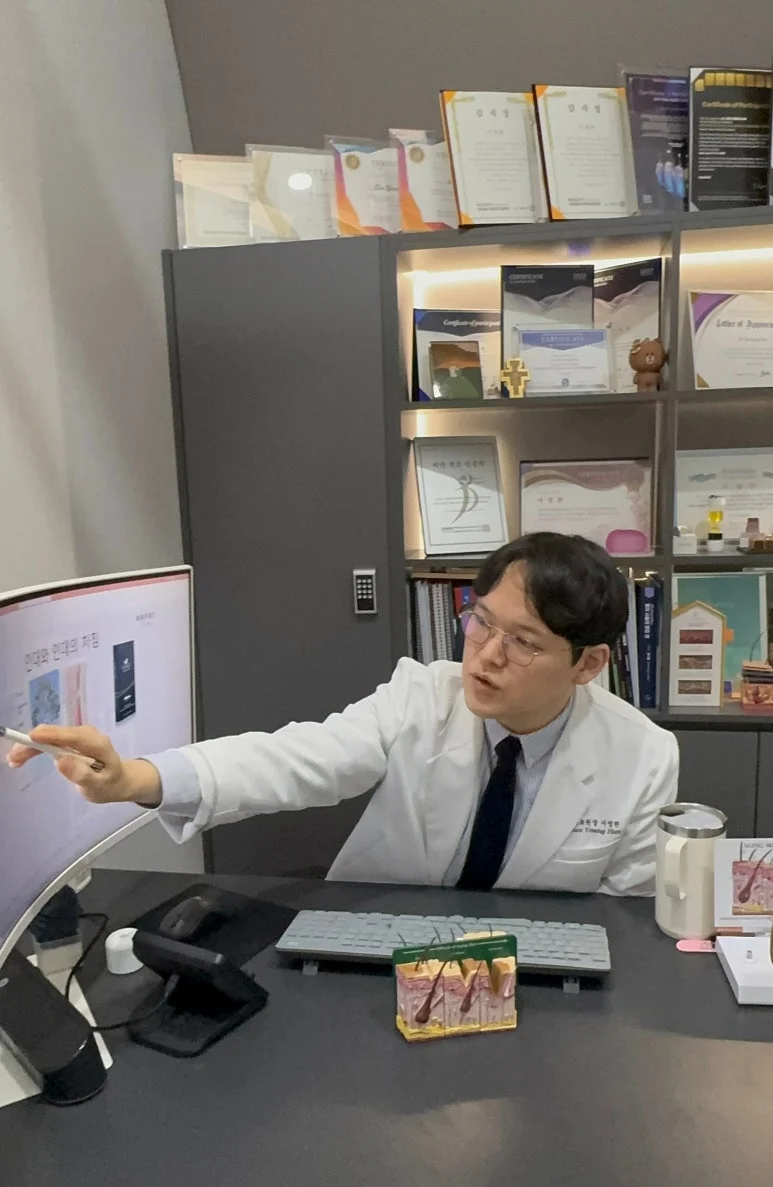
At 4ever Cheongdam Clinic, Dr. Younghan Seo compares Ulthera, Thermage, and Density across mechanism, depth, and duration so patients can match the right device to their specific concern.
Key Takeaways
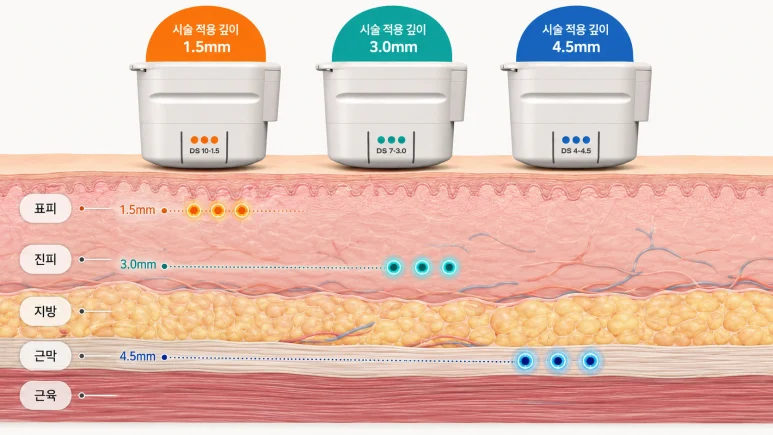
Ulthera uses high-intensity focused ultrasound (HIFU) to reach the SMAS layer at 4.5mm depth, the only non-surgical treatment capable of targeting this fascial layer.
Thermage delivers monopolar RF heat evenly across the full dermis, producing cumulative collagen remodeling that builds with repeated sessions.
Density combines monopolar and bipolar RF simultaneously, addressing deep and superficial tissue layers in a single pass.
Duration ranges from six months to over a year, varying by device, skin condition, age, and whether treatments are combined.
When multiple concerns are present, combination protocols such as Ulthera with Thermage or Ulthera with Density produce more complete results than any single device alone.
Ulthera: Targeting the SMAS Layer
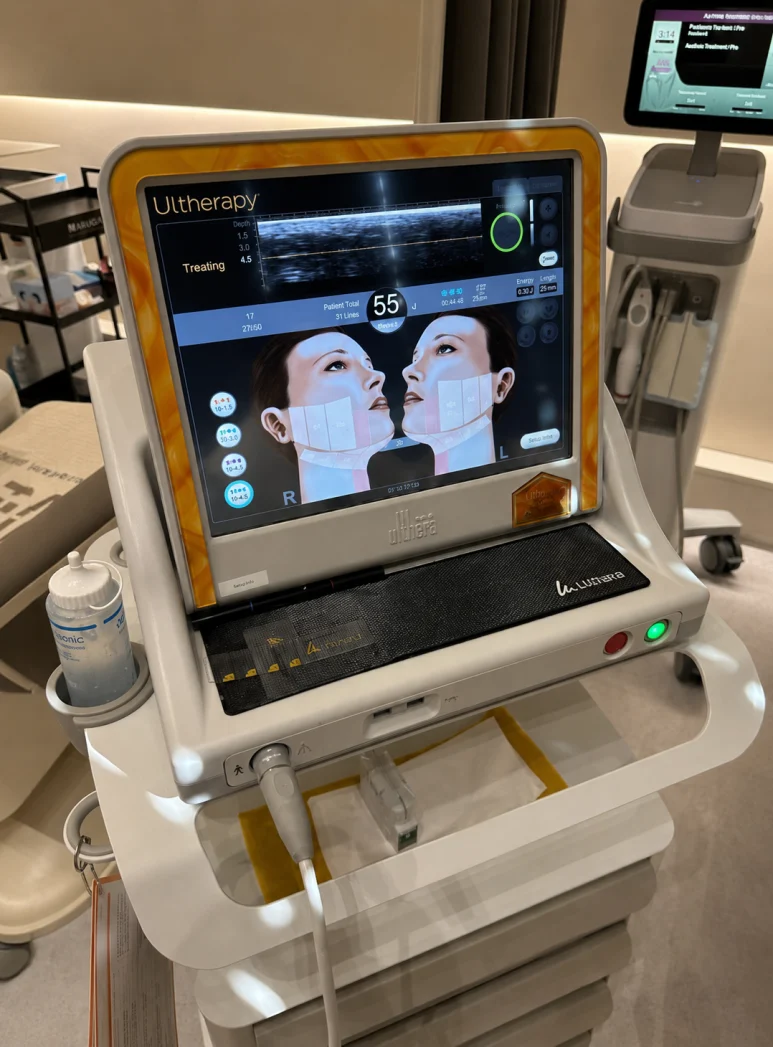
Ulthera delivers focused ultrasound energy to three selectable depths: 1.5mm, 3.0mm, and 4.5mm. The 4.5mm depth reaches the SMAS, the fascial layer that surgical facelifts address directly.
Among non-surgical lifting devices, Ulthera is the only platform capable of reaching this depth.
The DeepSEE imaging system allows the clinician to visualize tissue in real time before delivering energy, enabling precise placement without surface disruption.
Results develop gradually over two to three months as collagen remodeling progresses.
Effects typically last one to one and a half years, making Ulthera the longest-lasting option among the three when structural laxity is the primary concern.
Thermage: Remodeling the Full Dermis
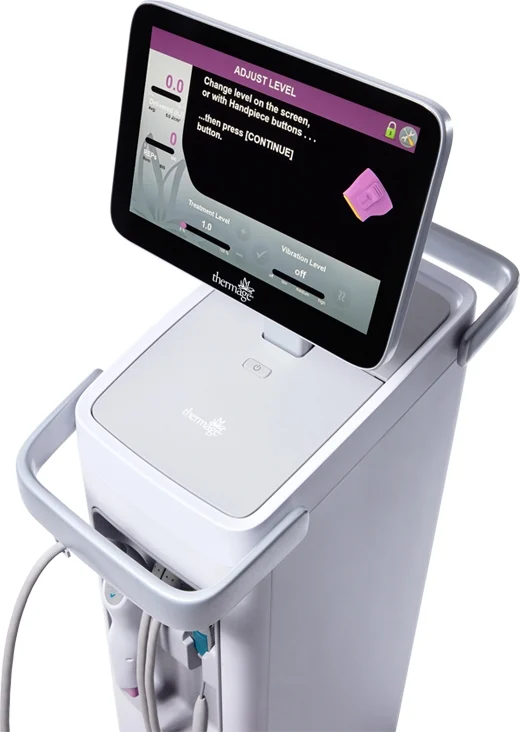
Thermage uses monopolar RF to distribute thermal energy evenly across the full dermal thickness rather than targeting a specific layer.
Existing collagen contracts immediately upon heating; the recovery process then produces new collagen in its place.
Unlike Ulthera, which builds results slowly, Thermage produces a perceptible tightening from the first session.
The cumulative benefit of repeated treatment is significant: each session adds a new layer of collagen remodeling, progressively strengthening the baseline.
Duration is approximately six months to one year per session.
Thermage is particularly well suited to patients who prefer consistent maintenance over single high-impact treatment.
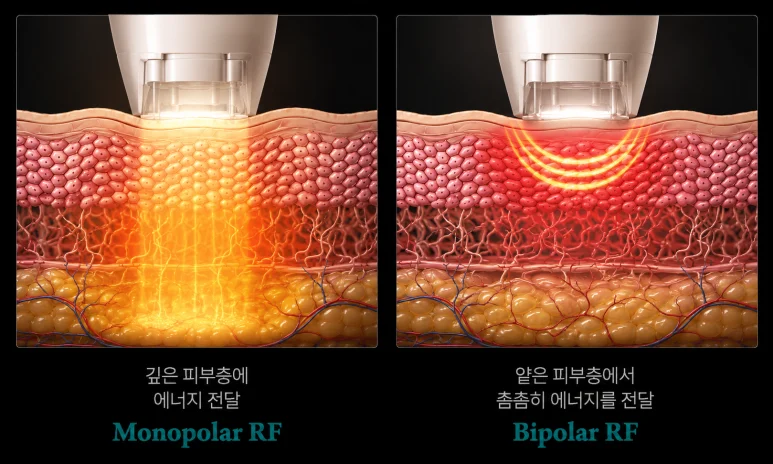
Density: Dual-Depth RF in One Pass
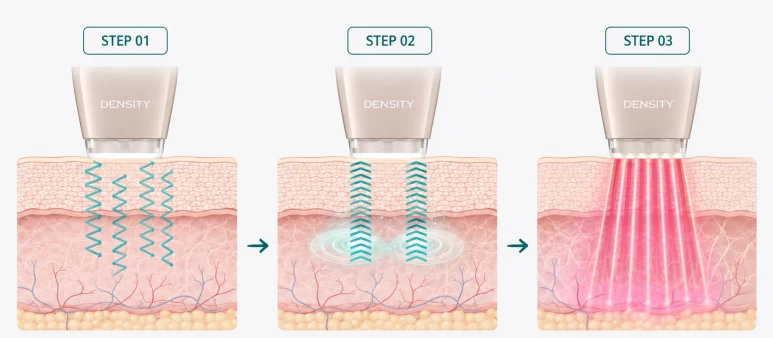
Density’s distinguishing feature within the RF category is its simultaneous delivery of monopolar and bipolar RF.
Monopolar RF targets deeper tissue; bipolar RF concentrates energy between two surface electrodes for more superficial treatment.
The combination addresses multiple tissue depths within the same session.
Real-time impedance monitoring and a precise cooling system allow higher energy delivery with significantly reduced discomfort compared to single-mode RF devices.
Duration is approximately six months to one year, comparable to Thermage.
With the Alpha Tip, electrode coverage nearly doubles from 88mm² to 172mm², and clinical observation has shown that the duration of perceived effect extends beyond what earlier tip generations produced.
Duration at a Glance
Ulthera: Results begin at two to three months post-treatment and typically last one to one and a half years.
A slow-building, long-lasting structural lift.
Thermage: Results are perceptible immediately and last approximately six months to one year.
Cumulative benefit with repeated sessions.
Density: Duration is approximately six months to one year, extending further with Alpha Tip.
Multi-depth improvement produces a gradual, even result over time.
Individual results vary based on skin thickness, age, lifestyle, and whether complementary treatments are used.
Which Device Fits Your Concern?
Jawline definition is softening and the lower face feels heavy
The SMAS layer is likely the primary contributor.
Ulthera is the most appropriate starting point for structural laxity at this depth.
Skin feels dull, pores are visible, fine lines are appearing
This is a dermal quality concern rather than a structural one.
Thermage addresses the full dermis and is well matched to this presentation.
Both elasticity and texture have declined, and consistent maintenance is the goal
Multi-depth treatment is indicated.
Density with Alpha Tip addresses superficial and deep tissue simultaneously and suits patients who want ongoing maintenance rather than a single-event correction.
All of the above apply
A combination protocol is more appropriate than any single device.
Ulthera with Thermage or Ulthera with Density addresses structural laxity and dermal quality together.
The right combination is determined at consultation based on the individual’s specific tissue condition.
Frequently Asked Questions
Q. Which device hurts the most?
A. Ulthera produces the most noticeable discomfort of the three, as the focused energy pulses are felt at depth. Thermage and Density both involve warmth rather than sharp sensation. Density’s real-time impedance monitoring and integrated cooling reduce discomfort at higher energy settings compared to standard monopolar-only RF.
Q. Can I combine these devices in the same session?
A. Yes, in many cases. Ulthera and Density are a common same-day combination at 4ever Cheongdam Clinic, addressing structural depth and surface density together. Whether combination treatment is appropriate depends on skin condition and the overall treatment plan, assessed at consultation.
Q. How soon will I see results?
A. Thermage and Density produce some visible tightening within days of treatment. Ulthera results develop gradually over two to three months. All three continue to improve as collagen remodeling progresses, with full results typically visible at the three to six month mark.
Q. How often should I have treatment?
A. Ulthera is typically repeated once per year given its longer duration. Thermage and Density are often scheduled every six to twelve months, with more frequent sessions appropriate for patients who prioritize consistent baseline maintenance.
Ready to discuss a treatment plan tailored to your skin?
4ever Cheongdam Clinic offers one-to-one consultations with Dr. Younghan Seo.
Book Your Consultation

Energy-based lifting devices are often compared on duration alone, but longevity depends on where and how the energy reaches the tissue.
At 4ever Cheongdam Clinic, Dr. Younghan Seo compares Ulthera, Thermage, and Density across mechanism, depth, and duration so patients can match the right device to their specific concern.
Key Takeaways
Ulthera uses high-intensity focused ultrasound (HIFU) to reach the SMAS layer at 4.5mm depth, the only non-surgical treatment capable of targeting this fascial layer.
Thermage delivers monopolar RF heat evenly across the full dermis, producing cumulative collagen remodeling that builds with repeated sessions.
Density combines monopolar and bipolar RF simultaneously, addressing deep and superficial tissue layers in a single pass.
Duration ranges from six months to over a year, varying by device, skin condition, age, and whether treatments are combined.
When multiple concerns are present, combination protocols such as Ulthera with Thermage or Ulthera with Density produce more complete results than any single device alone.
Ulthera: Targeting the SMAS Layer
Ulthera delivers focused ultrasound energy to three selectable depths: 1.5mm, 3.0mm, and 4.5mm. The 4.5mm depth reaches the SMAS, the fascial layer that surgical facelifts address directly.
Among non-surgical lifting devices, Ulthera is the only platform capable of reaching this depth.
The DeepSEE imaging system allows the clinician to visualize tissue in real time before delivering energy, enabling precise placement without surface disruption.
Results develop gradually over two to three months as collagen remodeling progresses.
Effects typically last one to one and a half years, making Ulthera the longest-lasting option among the three when structural laxity is the primary concern.
Thermage: Remodeling the Full Dermis
Thermage uses monopolar RF to distribute thermal energy evenly across the full dermal thickness rather than targeting a specific layer.
Existing collagen contracts immediately upon heating; the recovery process then produces new collagen in its place.
Unlike Ulthera, which builds results slowly, Thermage produces a perceptible tightening from the first session.
The cumulative benefit of repeated treatment is significant: each session adds a new layer of collagen remodeling, progressively strengthening the baseline.
Duration is approximately six months to one year per session.
Thermage is particularly well suited to patients who prefer consistent maintenance over single high-impact treatment.
Density: Dual-Depth RF in One Pass
Density’s distinguishing feature within the RF category is its simultaneous delivery of monopolar and bipolar RF.
Monopolar RF targets deeper tissue; bipolar RF concentrates energy between two surface electrodes for more superficial treatment.
The combination addresses multiple tissue depths within the same session.
Real-time impedance monitoring and a precise cooling system allow higher energy delivery with significantly reduced discomfort compared to single-mode RF devices.
Duration is approximately six months to one year, comparable to Thermage.
With the Alpha Tip, electrode coverage nearly doubles from 88mm² to 172mm², and clinical observation has shown that the duration of perceived effect extends beyond what earlier tip generations produced.
Duration at a Glance
Ulthera: Results begin at two to three months post-treatment and typically last one to one and a half years.
A slow-building, long-lasting structural lift.
Thermage: Results are perceptible immediately and last approximately six months to one year.
Cumulative benefit with repeated sessions.
Density: Duration is approximately six months to one year, extending further with Alpha Tip.
Multi-depth improvement produces a gradual, even result over time.
Individual results vary based on skin thickness, age, lifestyle, and whether complementary treatments are used.
Which Device Fits Your Concern?
Jawline definition is softening and the lower face feels heavy
The SMAS layer is likely the primary contributor.
Ulthera is the most appropriate starting point for structural laxity at this depth.
Skin feels dull, pores are visible, fine lines are appearing
This is a dermal quality concern rather than a structural one.
Thermage addresses the full dermis and is well matched to this presentation.
Both elasticity and texture have declined, and consistent maintenance is the goal
Multi-depth treatment is indicated.
Density with Alpha Tip addresses superficial and deep tissue simultaneously and suits patients who want ongoing maintenance rather than a single-event correction.
All of the above apply
A combination protocol is more appropriate than any single device.
Ulthera with Thermage or Ulthera with Density addresses structural laxity and dermal quality together.
The right combination is determined at consultation based on the individual’s specific tissue condition.
Frequently Asked Questions
Q. Which device hurts the most?
A. Ulthera produces the most noticeable discomfort of the three, as the focused energy pulses are felt at depth. Thermage and Density both involve warmth rather than sharp sensation. Density’s real-time impedance monitoring and integrated cooling reduce discomfort at higher energy settings compared to standard monopolar-only RF.
Q. Can I combine these devices in the same session?
A. Yes, in many cases. Ulthera and Density are a common same-day combination at 4ever Cheongdam Clinic, addressing structural depth and surface density together. Whether combination treatment is appropriate depends on skin condition and the overall treatment plan, assessed at consultation.
Q. How soon will I see results?
A. Thermage and Density produce some visible tightening within days of treatment. Ulthera results develop gradually over two to three months. All three continue to improve as collagen remodeling progresses, with full results typically visible at the three to six month mark.
Q. How often should I have treatment?
A. Ulthera is typically repeated once per year given its longer duration. Thermage and Density are often scheduled every six to twelve months, with more frequent sessions appropriate for patients who prioritize consistent baseline maintenance.
Ready to discuss a treatment plan tailored to your skin?
4ever Cheongdam Clinic offers one-to-one consultations with Dr. Younghan Seo.
Book Your Consultation