In Korea, a thread lift is regulated as a medical device, and the government permit covers one stated purpose, not every result a brand or clinic might describe. For Silhouette Soft, the permit listed by its Korean importer describes mid-face suspension surgery: lifting and fixing tissue under the skin of the cheek with an absorbable thread and cones. It does not mention how long the effect lasts, collagen production, or the lower face. This article explains what the permit says, what it leaves out, and how you can read it yourself before a consultation.
What kind of product is Silhouette Soft under Korean rules?
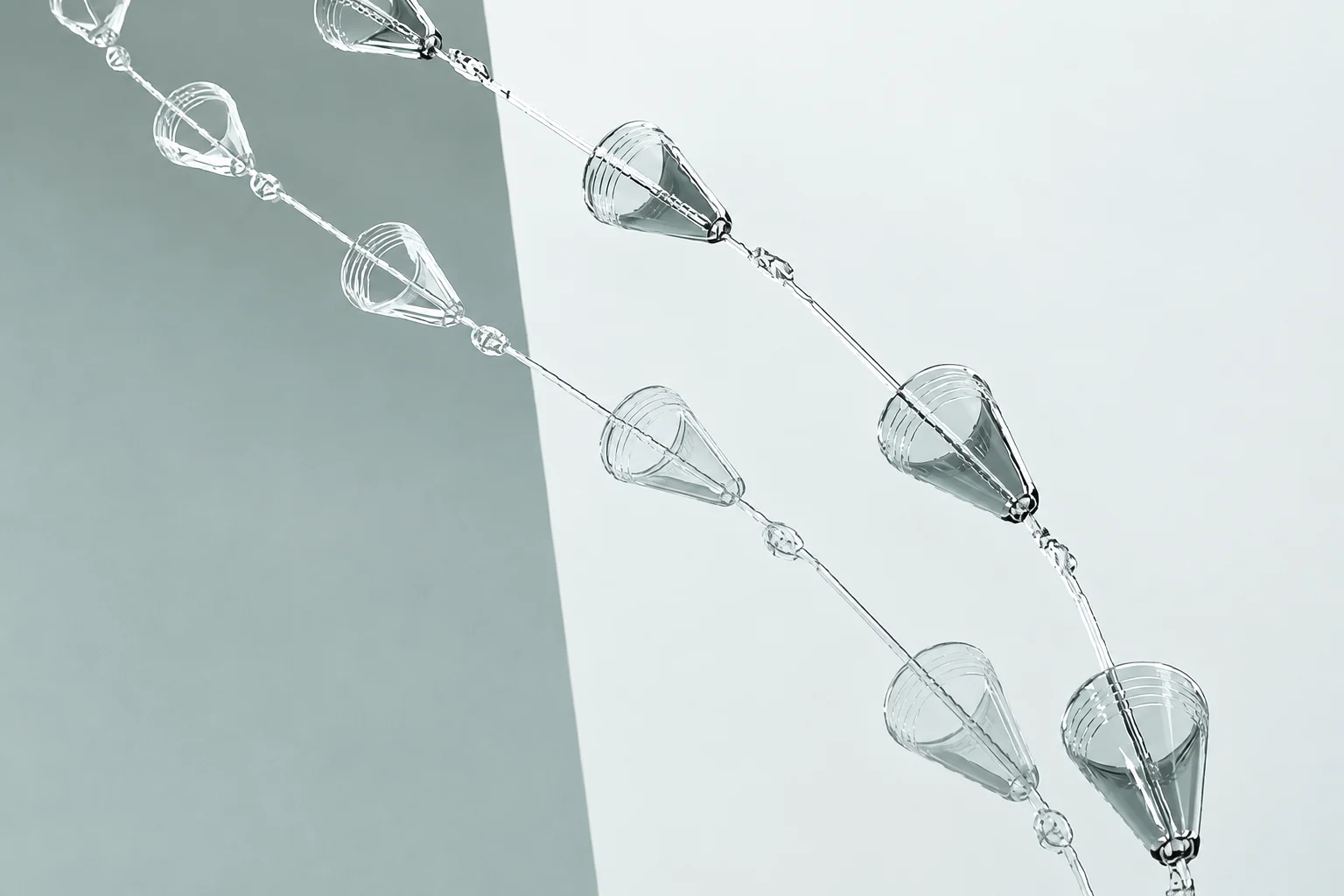
Silhouette Soft is a thread with small cones along its length. Korean regulators do not treat it as a drug or a cosmetic. They treat it as a medical device, and the Ministry of Food and Drug Safety (MFDS) decides whether it may be sold in Korea.
 Devices are sorted into four classes by risk, from class 1 to class 4.
- A device is approved for a stated purpose, written as one sentence in the permit.
- A device imported at this level carries a permit number that starts with the Korean prefix 수허 (meaning import approval). Other prefixes are used for devices made in Korea and for lower classes.
- The name of a procedure at a clinic is a separate thing from the name of the approved device.
How the cones hold tissue is covered in a separate article on Silhouette Soft and PDO threads. This article stays with the permit.
What is Silhouette Soft approved for in Korea?
The importer, Sinclair Korea (한국싱클레어), lists the permit number on its official Silhouette Soft page: 수허 15-878. The MFDS database entry for that number does not print the brand name Silhouette Soft. It lists the company, the product category, and model codes, and its stated purpose matches the purpose written on the importer’s page.
Here is what the MFDS entry for that number says:
- Permit number: 수허 15-878
- Category: facial tissue fixation thread, class 4
- Importer: Sinclair Korea (한국싱클레어), first approved in April 2015
- Stated purpose: use in mid-face suspension surgery, in which tissue under the skin of the cheek is lifted and fixed in place
- Composition: an absorbable thread with cones
- Status: valid when we checked the MFDS database on 29 September 2026
If a clinic quotes a permit number to you, compare it with the entry on the MFDS portal. We come back to how in a later section.
What does the approval not say?
A permit states one purpose, and many things people associate with thread lifts do not appear in it.
| Claim you may hear | In the approved purpose? |
|---|
| Lifting and fixing tissue under the cheek skin | Yes, this is the stated purpose |
| An absorbable thread with cones | Yes, this is the described composition |
| Stimulating your own collagen | Not stated |
| How many months or years the effect lasts | Not stated |
| Treating the jawline, jowls, or neck | Not stated. Only the mid-face is named |
| A subtle or natural-looking result | Not stated |
| Suitability for a particular person | Not stated |
- A device approval is permission to import and sell the device for the stated purpose. It is not an approval of any treatment outcome.
- When a source gives you a duration or a mechanism, ask where that statement comes from. It is not in the permit. It may come from the manufacturer or from a clinic’s own experience, and those are different kinds of evidence.
This article does not describe uses beyond the approved purpose. Whether a planned use falls inside it is a question for the clinic.
How can you check the approval yourself?
The permit is a public record, and you can read it yourself.
- Ask the clinic for the product name and permit number in writing, and ask to see the packaging.
- Search the MFDS medical device portal by permit number. Type the number exactly as written, with the Korean prefix. A romanized version such as “suheo” returns no results.
- Read the field that states the purpose of use, and compare it with what the clinic told you.
- Check the status. A permit can be withdrawn, and a withdrawn permit is not a basis for any claim.
- The portal is mainly in Korean. A translation tool works, or you can ask the clinic to read the entry with you.
What should you ask the clinic before treatment?
These questions suit any consultation. They are not a recommendation to have the treatment.
- Which product and model will be used? Can you see the packaging?
- Which permit number does it carry?
- How does the planned treatment relate to the approved purpose?
- What do the manufacturer’s instructions for use say about risks?
- What follow-up visits are planned, and how long should you stay in Korea after the procedure?
The last question matters most if you are visiting from abroad, because the number of follow-up visits shapes how long a stay needs to be.
What side effects are reported, and what should you tell the clinic?
Thread procedures place material under the skin, so they carry the risks of that kind of procedure. The instructions for use published in Korean on Sinclair Korea’s site list the adverse events below. The right-hand column is general guidance on when to call the clinic, not part of that document.
That document describes the intended use in different, broader wording than the MFDS permit. This article follows the permit, which is the basis for how the device may be advertised in Korea, and uses the instructions only for their list of risks.
| Effect listed in the instructions for use | When to contact the clinic |
|---|
| Swelling and edema, temporary bruising or hematoma, spotty bleeding | If it grows, worsens, or is clearly one-sided |
| Pain, which may be temporary or persistent | If pain increases instead of easing |
| Temporary puckering or dimpling, band formation | Tell the clinic. Do not press or pull at it |
| Palpable thread ends or knots, thread migration | Tell the clinic. Do not press or pull at it |
| Asymmetry | If it persists once swelling has gone |
| Sensory or motor nerve injury | Promptly, especially for new numbness or weakness |
| Infection, mild acute inflammatory tissue reaction, sensitivity or allergic reaction to the material | Promptly, especially for warmth, spreading redness, discharge, or fever |
The same document lists situations where the device should not be used. They include known or suspected sensitivity or allergy to the materials, active sepsis or inflammation, active autoimmune disease or a history of it, pregnancy or breastfeeding, and age under 18. It also calls for extra care in people with bleeding disorders and in people who take medicines or supplements that reduce blood clotting.
Tell the clinic about any medication or supplement you take and any earlier treatment in the same area. Whether this treatment suits you is a clinical judgment your doctor makes after examining you.
What does this article not decide?
This article describes how the device is categorized and what the permit states. It does not assess whether the treatment suits you, and it is not a substitute for a consultation.
Frequently asked questions
Is Silhouette Soft approved by the MFDS?
Yes. The importer’s official page lists import permit 수허 15-878, and the MFDS entry for that number was valid when we checked on 29 September 2026. Ask the clinic to confirm the permit number and check it on the portal yourself.
Does the approval say how long the effect lasts?
No. The stated purpose describes lifting and fixing cheek tissue and says nothing about duration. The importer’s product page gives a duration. That figure is the importer’s statement, not part of the permit, and it is not a prediction for any one person.
Is the thread approved for the jawline or jowls?
The purpose in the permit names the mid-face. It does not mention the jawline, jowls, or neck. Ask your doctor how the planned treatment relates to the approved purpose.
Is a device permit proof that a treatment works?
No. A permit says the device may be imported and sold in Korea for a stated purpose. It does not measure or promise any result for an individual, and it does not replace an examination by your doctor.
Can the approval change over time?
Yes. Permits can be amended or withdrawn, so check the status on the portal close to your treatment date.
This article is general information about a treatment offered at 4ever the Cheongdam. It is not medical advice and does not replace consultation with a doctor who has examined you. Product approvals, regulations, and clinic practices change; please confirm anything that affects a decision with the clinic directly.
4ever the Cheongdam
99-23 Cheongdam-dong, Gangnam-gu, Seoul, Korea
서울 강남구 청담동 99-23 (copy this line into Naver Map, Kakao Map, or show it to a taxi driver)
Tel. +82-2-518-7705

In Korea, a thread lift is regulated as a medical device, and the government permit covers one stated purpose, not every result a brand or clinic might describe. For Silhouette Soft, the permit listed by its Korean importer describes mid-face suspension surgery: lifting and fixing tissue under the skin of the cheek with an absorbable thread and cones. It does not mention how long the effect lasts, collagen production, or the lower face. This article explains what the permit says, what it leaves out, and how you can read it yourself before a consultation.
What kind of product is Silhouette Soft under Korean rules?
Silhouette Soft is a thread with small cones along its length. Korean regulators do not treat it as a drug or a cosmetic. They treat it as a medical device, and the Ministry of Food and Drug Safety (MFDS) decides whether it may be sold in Korea.
How the cones hold tissue is covered in a separate article on Silhouette Soft and PDO threads. This article stays with the permit.
What is Silhouette Soft approved for in Korea?
The importer, Sinclair Korea (한국싱클레어), lists the permit number on its official Silhouette Soft page: 수허 15-878. The MFDS database entry for that number does not print the brand name Silhouette Soft. It lists the company, the product category, and model codes, and its stated purpose matches the purpose written on the importer’s page.
Here is what the MFDS entry for that number says:
If a clinic quotes a permit number to you, compare it with the entry on the MFDS portal. We come back to how in a later section.
What does the approval not say?
A permit states one purpose, and many things people associate with thread lifts do not appear in it.
This article does not describe uses beyond the approved purpose. Whether a planned use falls inside it is a question for the clinic.
How can you check the approval yourself?
The permit is a public record, and you can read it yourself.
What should you ask the clinic before treatment?
These questions suit any consultation. They are not a recommendation to have the treatment.
The last question matters most if you are visiting from abroad, because the number of follow-up visits shapes how long a stay needs to be.
What side effects are reported, and what should you tell the clinic?
Thread procedures place material under the skin, so they carry the risks of that kind of procedure. The instructions for use published in Korean on Sinclair Korea’s site list the adverse events below. The right-hand column is general guidance on when to call the clinic, not part of that document.
That document describes the intended use in different, broader wording than the MFDS permit. This article follows the permit, which is the basis for how the device may be advertised in Korea, and uses the instructions only for their list of risks.
The same document lists situations where the device should not be used. They include known or suspected sensitivity or allergy to the materials, active sepsis or inflammation, active autoimmune disease or a history of it, pregnancy or breastfeeding, and age under 18. It also calls for extra care in people with bleeding disorders and in people who take medicines or supplements that reduce blood clotting.
Tell the clinic about any medication or supplement you take and any earlier treatment in the same area. Whether this treatment suits you is a clinical judgment your doctor makes after examining you.
What does this article not decide?
This article describes how the device is categorized and what the permit states. It does not assess whether the treatment suits you, and it is not a substitute for a consultation.
Frequently asked questions
Is Silhouette Soft approved by the MFDS?
Yes. The importer’s official page lists import permit 수허 15-878, and the MFDS entry for that number was valid when we checked on 29 September 2026. Ask the clinic to confirm the permit number and check it on the portal yourself.
Does the approval say how long the effect lasts?
No. The stated purpose describes lifting and fixing cheek tissue and says nothing about duration. The importer’s product page gives a duration. That figure is the importer’s statement, not part of the permit, and it is not a prediction for any one person.
Is the thread approved for the jawline or jowls?
The purpose in the permit names the mid-face. It does not mention the jawline, jowls, or neck. Ask your doctor how the planned treatment relates to the approved purpose.
Is a device permit proof that a treatment works?
No. A permit says the device may be imported and sold in Korea for a stated purpose. It does not measure or promise any result for an individual, and it does not replace an examination by your doctor.
Can the approval change over time?
Yes. Permits can be amended or withdrawn, so check the status on the portal close to your treatment date.
This article is general information about a treatment offered at 4ever the Cheongdam. It is not medical advice and does not replace consultation with a doctor who has examined you. Product approvals, regulations, and clinic practices change; please confirm anything that affects a decision with the clinic directly.
4ever the Cheongdam
99-23 Cheongdam-dong, Gangnam-gu, Seoul, Korea
서울 강남구 청담동 99-23 (copy this line into Naver Map, Kakao Map, or show it to a taxi driver)
Tel. +82-2-518-7705