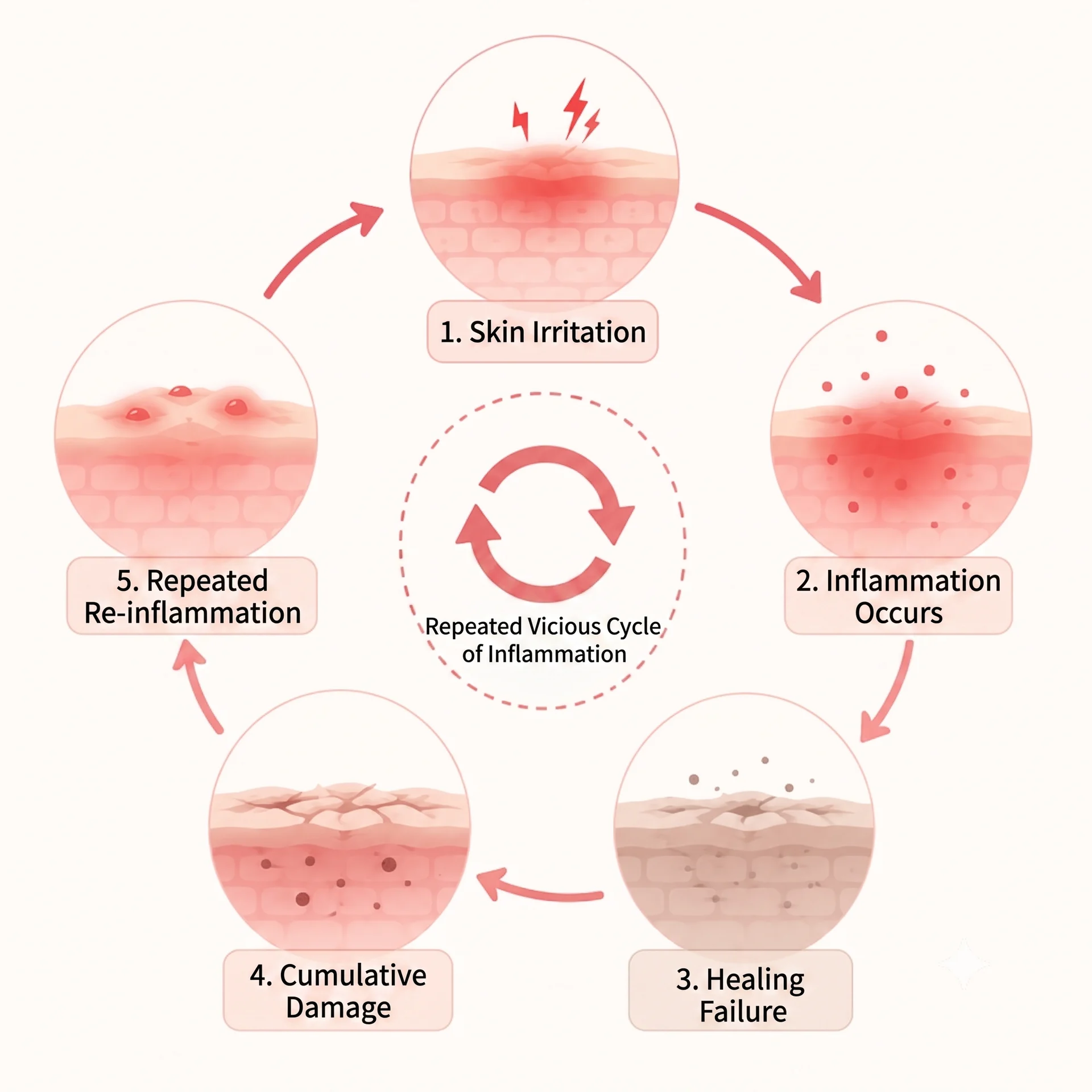
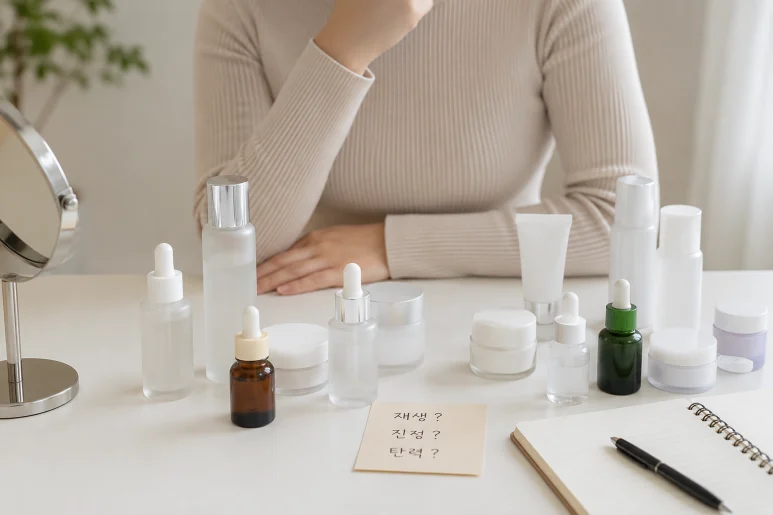
Many patients who have tried multiple regenerative skincare products report the same frustration: consistent effort, minimal lasting change.
At 4ever Clinic, Dr. Younghan Seo explains why regeneration cannot precede inflammation control, what distinguishes exosome signaling from conventional extracts, and which clinical presentations benefit most from Celexo’s plant-derived approach.
Key Takeaways
Skin regeneration requires a stable inflammatory environment first.
When inflammation is chronic and unresolved, repair signals are continuously disrupted and recovery cannot proceed normally.
Exosomes are cell-signaling molecules, not nutritive ingredients.
The distinction is fundamental: conventional extracts deliver material to the skin; exosomes instruct the skin’s own cells on how and in what direction to respond.
CICA (Centella Asiatica) has an established anti-inflammatory and calming record at the extract level.
When that same plant material is the source of exosome signaling molecules, the anti-inflammatory direction is built into the signal itself.
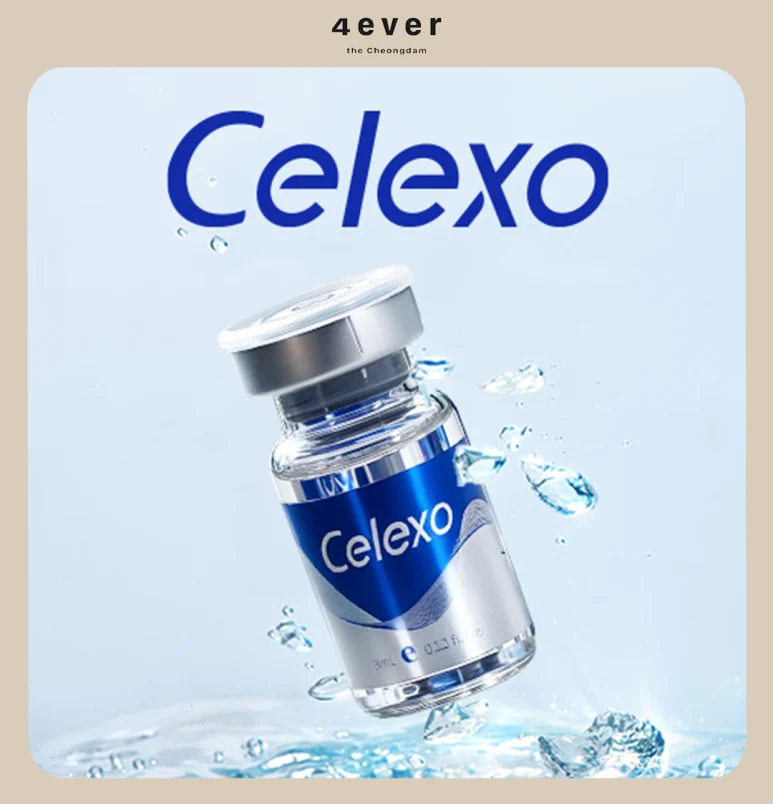
Celexo is a plant-derived exosome program oriented toward inflammatory environment stabilization rather than direct collagen stimulation, making it suitable for reactive acne, rosacea, and post-procedure recovery contexts.
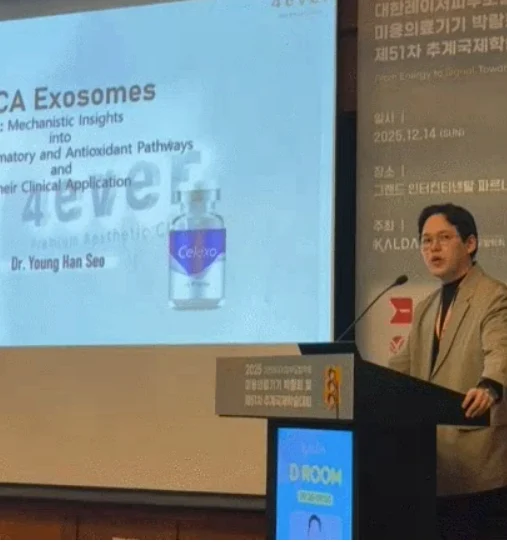
Dr. Younghan Seo presented Celexo’s anti-inflammatory and antioxidant mechanisms at KALDAT on December 14, 2025, as part of ongoing clinical research involvement with the product.
Why Regeneration Fails Without Inflammation Control First
The assumption behind most regenerative skincare is that delivering the right ingredients will prompt the skin to rebuild.
The flaw in this model is that it skips a prerequisite step.
When the skin is in a state of chronic low-grade inflammation, the cellular environment is fundamentally oriented toward damage response rather than repair.
Inflammatory mediators actively interfere with the collagen synthesis pathways that regenerative treatments are trying to stimulate.
Adding more regenerative signal into an inflammatory environment is similar to trying to build structure in a space where demolition is still ongoing.
This is the mechanism behind recurring patterns that patients commonly describe: acne that reappears in the same locations, rosacea that progressively occupies more of the face, and treatment results that improve briefly before regressing.
In each case, inflammation is not being resolved between cycles, so the recovery signal is continuously overridden.
The correct sequence is inflammatory stabilization first, regeneration second.
Celexo’s design reflects this priority.

Why Exosomes Work Differently From Conventional Extracts
The skincare market is saturated with products containing plant extracts, growth factors, and concentrated actives described as regenerative.
Most operate on a delivery model: a beneficial substance is applied to the skin surface and absorbed to varying degrees.
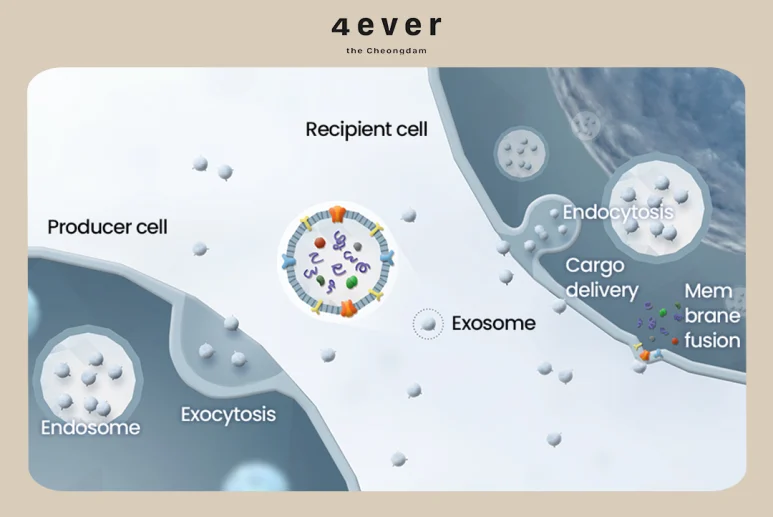
Exosomes operate on a signaling model, which is a categorically different mechanism.
Exosomes are extracellular vesicles naturally secreted by cells as a means of communicating with adjacent cells.
They carry specific instructional molecules — including microRNA, proteins, and lipids — that bind to receiving cells and influence their behavior directly.
The distinction matters clinically.
A conventional extract provides raw material.
An exosome tells the cell what to do with the raw material it already has.
One replenishes; the other directs.
For skin that has lost its capacity to self-regulate effectively due to chronic inflammation, the directional signal is often more valuable than additional substrate.
Why CICA Is the Source Material
CICA (Centella Asiatica) is among the most thoroughly validated botanical ingredients for anti-inflammatory and wound-healing applications in dermatology.
Its efficacy at the extract level is well established across multiple clinical contexts, from post-procedure recovery to barrier repair in reactive skin.
When CICA is used as the source plant for exosome derivation, the anti-inflammatory orientation is not simply an added property — it is inherent to the signaling molecules the plant cells produce.
The exosomes carry the same directional bias toward inflammation resolution and tissue stabilization that characterizes the extract itself, but operating through the cell-to-cell signaling mechanism rather than through surface ingredient delivery.
This is what distinguishes Celexo mechanistically from exosome products derived from different source materials: the signal it delivers is specifically oriented toward calming the inflammatory environment as its primary function.
Who Benefits Most From Celexo
Recurring Pustular Acne
Most acne management focuses on sebum control and bacterial reduction.
These address contributing factors but not the underlying inflammatory cycle.
When acne repeatedly returns to the same locations despite treatment, the inflammatory environment has not been resolved between episodes.
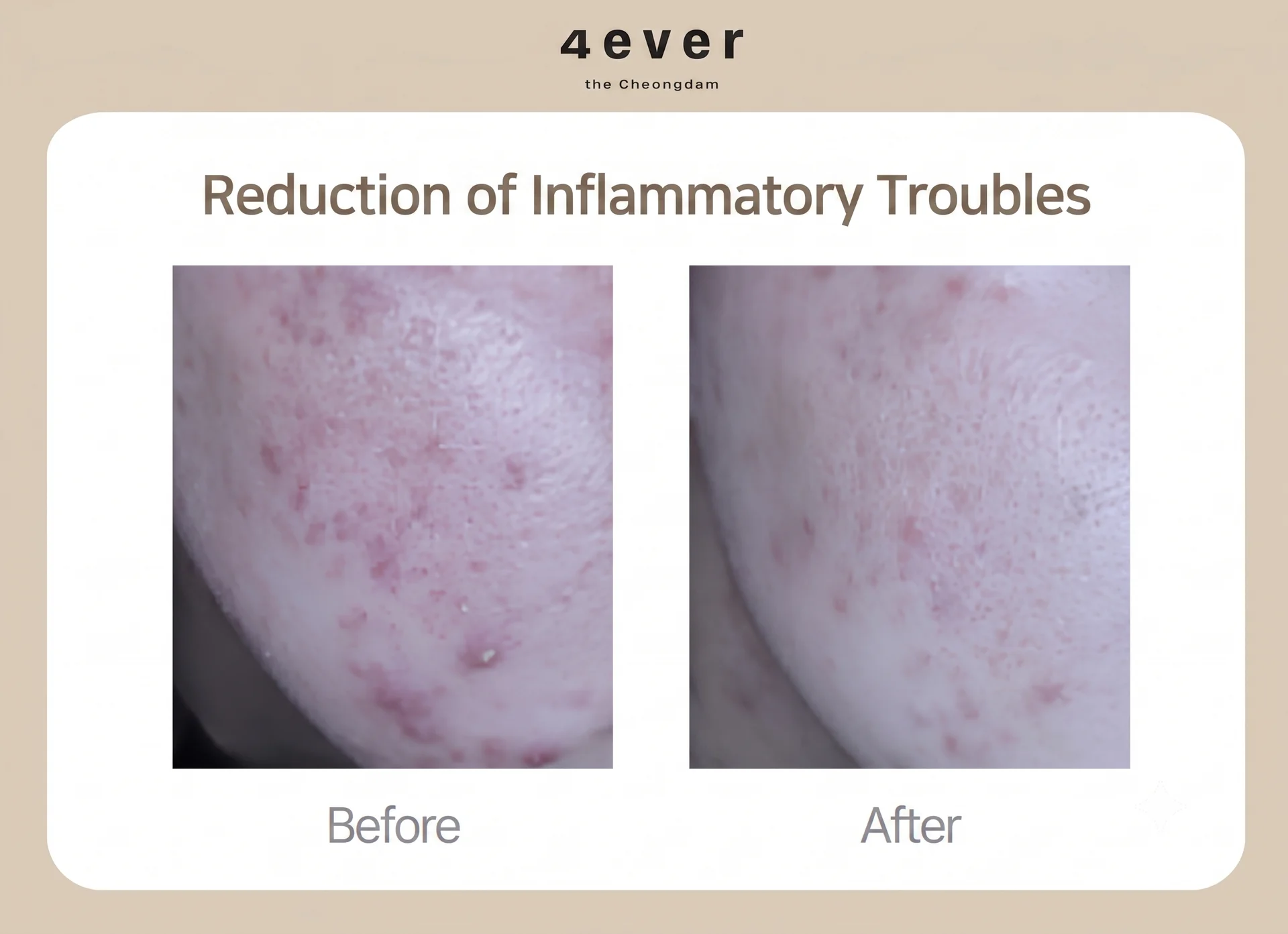
Celexo targets the inflammatory signaling loop that perpetuates this cycle, making it a meaningful addition to acne protocols where standard approaches have produced incomplete or short-lived results.
At 4ever Cheongdam Clinic, Apple Laser is frequently combined with Celexo in acne contexts.
Apple Laser stimulates collagen and elastin production while supporting sebum regulation.
Used together with Celexo’s anti-inflammatory stabilization, the combination addresses both the structural repair component and the inflammatory environment simultaneously, producing more durable improvement than either alone.
Rosacea and Persistent Facial Redness
Rosacea and diffuse flushing represent a chronically sensitized state in which repeated stimulation has lowered the threshold for vascular reactivity.
Aggressive regenerative treatment in this context adds stimulation to tissue that is already in a state of heightened response, often worsening the reactivity rather than resolving it.
Celexo’s stabilization-first approach is better matched to this presentation.
By reducing the inflammatory activity that maintains sensitization, it creates the conditions under which the skin can begin to recalibrate its reactivity threshold rather than continuing to respond to minor stimuli as significant threats.
Post-Procedure Recovery
Lifting procedures, laser treatments, and RF devices all produce controlled tissue stimulation as their mechanism of action.
The inflammatory response they trigger is expected and part of the intended remodeling process.
However, the quality and speed of recovery during this phase directly affects the final outcome.
Celexo used in the post-procedure window modulates the inflammatory mediators generated by the treatment — including IL-6 and TNF-α — without suppressing the remodeling response itself.
The result is a smoother, faster recovery that preserves the intended benefit of the primary treatment.
Frequently Asked Questions
Q. I’ve been told I need more collagen. Why would I start with something anti-inflammatory instead of a collagen booster?
A. Because collagen synthesis is inhibited in a chronic inflammatory environment. Adding a collagen biostimulator to skin that is already inflamed produces a weaker response than the same treatment in stable skin. Resolving the inflammatory baseline first makes subsequent regenerative treatment more effective. For many patients, Celexo is the step that allows other treatments to work properly, not a substitute for them.
Q. How is Celexo different from just using a CICA cream?
A. CICA cream delivers centella-derived compounds to the skin surface, where they produce a calming effect through topical absorption. Celexo delivers plant cell-derived exosomes that operate through cell-to-cell signaling at a tissue level. Topical CICA reduces surface inflammation; Celexo influences how the skin’s own cells regulate their inflammatory response at the cellular communication level. The mechanisms are complementary, not equivalent.
Q. How many sessions are needed?
A. This depends on the severity and chronicity of the inflammatory condition being addressed. Acute post-procedure recovery typically requires one to two sessions timed to the treatment. Chronic inflammatory conditions such as acne or rosacea generally benefit from a course of three to five sessions followed by maintenance intervals, with spacing adjusted based on how the skin responds.
Q. Can Celexo be used on the same day as other treatments?
A. Yes, in many cases. Same-session combination with Apple Laser for acne, or as a recovery step following RF or laser lifting treatments, is standard protocol at 4ever Cheongdam Clinic. Whether same-day application is appropriate depends on the primary treatment performed and the current skin condition. This is assessed at consultation.
Q. Will I see results immediately?
A. Some patients notice reduced redness and a calmer skin feel within the first few days following treatment. The more meaningful changes — reduced recurrence frequency in acne, decreased baseline reactivity in rosacea, improved texture following post-procedure recovery — develop over two to four weeks as the inflammatory environment stabilizes and the skin’s own regulatory capacity begins to normalize.
Ready to discuss a treatment plan tailored to your skin?
4ever Clinic offers one-to-one consultations with Dr. Younghan Seo.
Book Your Consultation

Many patients who have tried multiple regenerative skincare products report the same frustration: consistent effort, minimal lasting change.
At 4ever Clinic, Dr. Younghan Seo explains why regeneration cannot precede inflammation control, what distinguishes exosome signaling from conventional extracts, and which clinical presentations benefit most from Celexo’s plant-derived approach.
Key Takeaways
Skin regeneration requires a stable inflammatory environment first.
When inflammation is chronic and unresolved, repair signals are continuously disrupted and recovery cannot proceed normally.
Exosomes are cell-signaling molecules, not nutritive ingredients.
The distinction is fundamental: conventional extracts deliver material to the skin; exosomes instruct the skin’s own cells on how and in what direction to respond.
CICA (Centella Asiatica) has an established anti-inflammatory and calming record at the extract level.
When that same plant material is the source of exosome signaling molecules, the anti-inflammatory direction is built into the signal itself.
Celexo is a plant-derived exosome program oriented toward inflammatory environment stabilization rather than direct collagen stimulation, making it suitable for reactive acne, rosacea, and post-procedure recovery contexts.
Dr. Younghan Seo presented Celexo’s anti-inflammatory and antioxidant mechanisms at KALDAT on December 14, 2025, as part of ongoing clinical research involvement with the product.
Why Regeneration Fails Without Inflammation Control First
The assumption behind most regenerative skincare is that delivering the right ingredients will prompt the skin to rebuild.
The flaw in this model is that it skips a prerequisite step.
When the skin is in a state of chronic low-grade inflammation, the cellular environment is fundamentally oriented toward damage response rather than repair.
Inflammatory mediators actively interfere with the collagen synthesis pathways that regenerative treatments are trying to stimulate.
Adding more regenerative signal into an inflammatory environment is similar to trying to build structure in a space where demolition is still ongoing.
This is the mechanism behind recurring patterns that patients commonly describe: acne that reappears in the same locations, rosacea that progressively occupies more of the face, and treatment results that improve briefly before regressing.
In each case, inflammation is not being resolved between cycles, so the recovery signal is continuously overridden.
The correct sequence is inflammatory stabilization first, regeneration second.
Celexo’s design reflects this priority.
Why Exosomes Work Differently From Conventional Extracts
The skincare market is saturated with products containing plant extracts, growth factors, and concentrated actives described as regenerative.
Most operate on a delivery model: a beneficial substance is applied to the skin surface and absorbed to varying degrees.
Exosomes operate on a signaling model, which is a categorically different mechanism.
Exosomes are extracellular vesicles naturally secreted by cells as a means of communicating with adjacent cells.
They carry specific instructional molecules — including microRNA, proteins, and lipids — that bind to receiving cells and influence their behavior directly.
The distinction matters clinically.
A conventional extract provides raw material.
An exosome tells the cell what to do with the raw material it already has.
One replenishes; the other directs.
For skin that has lost its capacity to self-regulate effectively due to chronic inflammation, the directional signal is often more valuable than additional substrate.
Why CICA Is the Source Material
CICA (Centella Asiatica) is among the most thoroughly validated botanical ingredients for anti-inflammatory and wound-healing applications in dermatology.
Its efficacy at the extract level is well established across multiple clinical contexts, from post-procedure recovery to barrier repair in reactive skin.
When CICA is used as the source plant for exosome derivation, the anti-inflammatory orientation is not simply an added property — it is inherent to the signaling molecules the plant cells produce.
The exosomes carry the same directional bias toward inflammation resolution and tissue stabilization that characterizes the extract itself, but operating through the cell-to-cell signaling mechanism rather than through surface ingredient delivery.
This is what distinguishes Celexo mechanistically from exosome products derived from different source materials: the signal it delivers is specifically oriented toward calming the inflammatory environment as its primary function.
Who Benefits Most From Celexo
Recurring Pustular Acne
Most acne management focuses on sebum control and bacterial reduction.
These address contributing factors but not the underlying inflammatory cycle.
When acne repeatedly returns to the same locations despite treatment, the inflammatory environment has not been resolved between episodes.
Celexo targets the inflammatory signaling loop that perpetuates this cycle, making it a meaningful addition to acne protocols where standard approaches have produced incomplete or short-lived results.
At 4ever Cheongdam Clinic, Apple Laser is frequently combined with Celexo in acne contexts.
Apple Laser stimulates collagen and elastin production while supporting sebum regulation.
Used together with Celexo’s anti-inflammatory stabilization, the combination addresses both the structural repair component and the inflammatory environment simultaneously, producing more durable improvement than either alone.
Rosacea and Persistent Facial Redness
Rosacea and diffuse flushing represent a chronically sensitized state in which repeated stimulation has lowered the threshold for vascular reactivity.
Aggressive regenerative treatment in this context adds stimulation to tissue that is already in a state of heightened response, often worsening the reactivity rather than resolving it.
Celexo’s stabilization-first approach is better matched to this presentation.
By reducing the inflammatory activity that maintains sensitization, it creates the conditions under which the skin can begin to recalibrate its reactivity threshold rather than continuing to respond to minor stimuli as significant threats.
Post-Procedure Recovery
Lifting procedures, laser treatments, and RF devices all produce controlled tissue stimulation as their mechanism of action.
The inflammatory response they trigger is expected and part of the intended remodeling process.
However, the quality and speed of recovery during this phase directly affects the final outcome.
Celexo used in the post-procedure window modulates the inflammatory mediators generated by the treatment — including IL-6 and TNF-α — without suppressing the remodeling response itself.
The result is a smoother, faster recovery that preserves the intended benefit of the primary treatment.
Frequently Asked Questions
Q. I’ve been told I need more collagen. Why would I start with something anti-inflammatory instead of a collagen booster?
A. Because collagen synthesis is inhibited in a chronic inflammatory environment. Adding a collagen biostimulator to skin that is already inflamed produces a weaker response than the same treatment in stable skin. Resolving the inflammatory baseline first makes subsequent regenerative treatment more effective. For many patients, Celexo is the step that allows other treatments to work properly, not a substitute for them.
Q. How is Celexo different from just using a CICA cream?
A. CICA cream delivers centella-derived compounds to the skin surface, where they produce a calming effect through topical absorption. Celexo delivers plant cell-derived exosomes that operate through cell-to-cell signaling at a tissue level. Topical CICA reduces surface inflammation; Celexo influences how the skin’s own cells regulate their inflammatory response at the cellular communication level. The mechanisms are complementary, not equivalent.
Q. How many sessions are needed?
A. This depends on the severity and chronicity of the inflammatory condition being addressed. Acute post-procedure recovery typically requires one to two sessions timed to the treatment. Chronic inflammatory conditions such as acne or rosacea generally benefit from a course of three to five sessions followed by maintenance intervals, with spacing adjusted based on how the skin responds.
Q. Can Celexo be used on the same day as other treatments?
A. Yes, in many cases. Same-session combination with Apple Laser for acne, or as a recovery step following RF or laser lifting treatments, is standard protocol at 4ever Cheongdam Clinic. Whether same-day application is appropriate depends on the primary treatment performed and the current skin condition. This is assessed at consultation.
Q. Will I see results immediately?
A. Some patients notice reduced redness and a calmer skin feel within the first few days following treatment. The more meaningful changes — reduced recurrence frequency in acne, decreased baseline reactivity in rosacea, improved texture following post-procedure recovery — develop over two to four weeks as the inflammatory environment stabilizes and the skin’s own regulatory capacity begins to normalize.
Ready to discuss a treatment plan tailored to your skin?
4ever Clinic offers one-to-one consultations with Dr. Younghan Seo.
Book Your Consultation